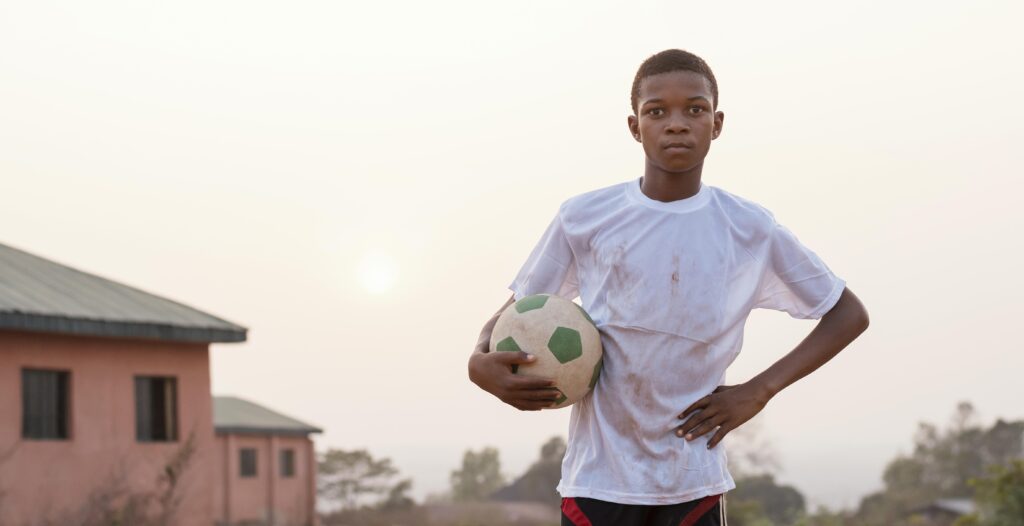
Uganda is entering a transformational moment in football, defined by structured academy development, stronger media coverage, regional scouting partnerships, and renewed financial interest in the domestic league. While East African football historically revolved around Kenya and Tanzania, Uganda is now producing technically strong players who show maturity at a younger age. The backbone of this change comes from organized club systems, dedicated youth departments, and continuous competition throughout the season.
Where Club Systems Shape Football Identity
In Uganda, football at this amateur level isn’t just a pastime. It’s a cultural phenomenon that showcases the pride of the various regions. It has even become a route to professionalism. Academies are beginning to implement training systems, and interest is growing thanks to digital content. Many young fans first interact with modern sport-tech content after using MelBet Uganda, where they can follow fixtures, compare match statistics, and discover local talents competing internationally.
Increasing professionalism becomes visible in recruitment cycles. Clubs should focus not just on raw physicality, but also on tactical intelligence, ball distribution under pressure, and positional awareness. Scouting databases now track youth players aged 13-17, creating transparent pathways through which early performance can lead to promotion to national academies. These changes help build a repeatable model rather than relying on one-time discovery stories.
Transitioning Local Development to Digital Footprint
Due to increased competition, clubs are trying new ways to gain visibility. Youth games are streamed online via community platforms, and player highlights are shared across social media. This allows young players to start building professional profiles as clubs monitor audience interaction. At the same time, platforms like Betpawa influence fan behavior by enabling prediction participation during national tournaments, further increasing match attendance and viewership.
In Uganda’s football world, opinion leaders agree that match competitions and finals draw in the most fans. However, data show that interest in the youth divisions rises when there are notable, promising debuts. This change creates a sustainable growth cycle. This is how it works: the discovery of talent creates viewership, which in turn drives the academy’s continued investment.
Clubs That Sustain Competitive Development
Football is shaping young players’ development as organizations invest in training academies and shift focus from short-term financial goals. Training academies within league-based scouting systems for the game’s tactics and physicality provide pathways for athletes to progress in the sport through funded scholarships. These young players can then integrate the training and nutrition regimens of professional academies.
Professionalization of coaching is also essential. Organizations are increasingly hiring licensed coaches with European qualifications and training who can manage training sessions, structure load and recovery, and teach advanced off-the-ball positioning. Local tournaments are also streamed, and young players are more visible to top clubs. Plans are being finalized to improve athlete stability further. Digital scouting databases let clubs monitor athletes’ progress over multiple years, rather than relying on snapshots from single tournaments.
Strength and conditioning specialists work alongside technical coaches to ensure players realize the tactics and reasoning behind key movements and decisions in specific phases of the match. Community collaborations improve the safety, accessibility, and diversity of training opportunities for girls’ football programs by providing training space and equipment, expanding the available training.
Major Clubs With the Strongest Player Pipelines
The focus first must be on the clubs that have consistently produced youth footballers who are competitive in the Youth Championships before assessing new player generations:
- Vipers SC — elite-level training methodology and international transfer history
- KCCA FC — strong tactical education and visible academy pathway
- SC Villa — one of the most traditional systems, developing disciplined players
- URA FC — balanced technical and physical preparation
- BUL FC — modernized youth monitoring and community-based scouting
Every club is different. Some are purely physical, some are tactical, and a few are technically stable and stay in the same phase early on. This enables diversification across building teams and allows Uganda to form squads for multinational championships.
Prominent Youth Talents and Their Core Strengths
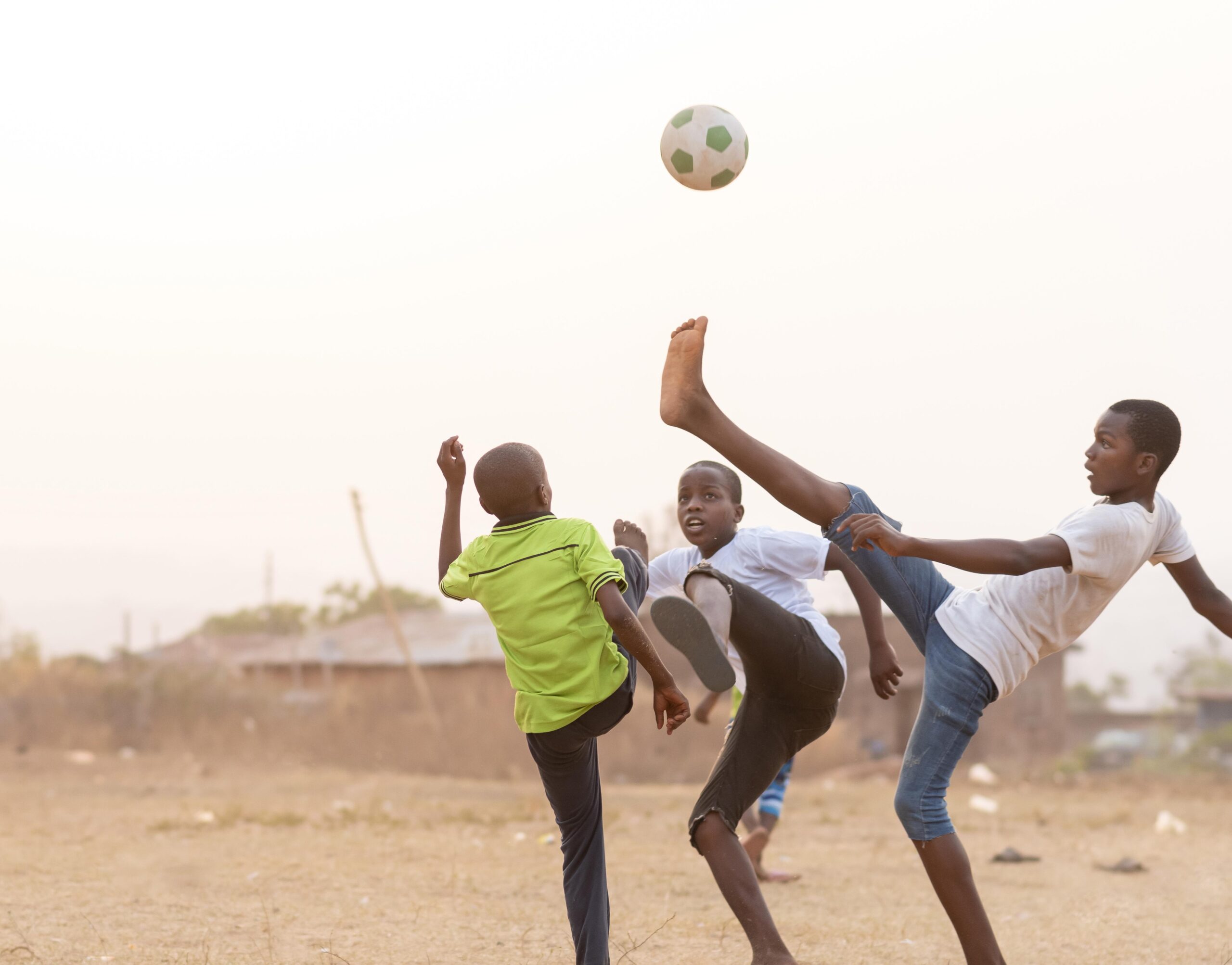
Before assessing the long-term potential of emerging players, categorizing them by hype spectrum isn’t the right approach. They are the first to reflect early-stage models of structured training, where their projection curves are defined by at-stake measurable stats, built on frameworks, and not by guesstimates.
| Player Name | Position | Core Talent Strength | Development Projection |
| Enock Nsamba | Right winger | Burst acceleration, 1-on-1 playmaking | Eligible for regional clubs with European interest |
| Joel Kato | Central midfielder | Positional intelligence, progressive passing | National team potential if role specialization continues |
| Raymond Ntege | Attacking midfielder | Vision between lines, decision-making in tight zones | Expected academy elevation and trial invitations |
| Ivan Tumusiime | Centre-back | Ball recovery, aerial dominance, and composure | Suitable for defensive system clubs in continental leagues |
How Uganda Can Maintain Its Momentum
For sustainability to work, there needs to be cohesion between grassroots teams and academy systems. Investment in infrastructure is essential, but so is its implementation. Stretch video-based scouting archives, expand clubs, and update statistical benchmarks so young players can be assisted in transfers without risking school integration. At the current rate of progress, Uganda is poised to enter a decade in which its academies will compete with the strongest in Africa.
