The 2026 FIFA World Cup will have a different feel to previous tournaments. For the first time, three countries will host the competition together, with the United States, Canada, and Mexico sharing the spotlight. Fans across North America are looking ahead to packed stadiums, long travel schedules, and the pressure that comes with playing at home.
Host nations have often enjoyed strong World Cup runs. Familiar surroundings, loud support, and less travel can all help players perform with more confidence. Still, success is never guaranteed. The challenge for the 2026 hosts will be turning excitement into results against the strongest teams in international football.
Why home support matters
Crowds can shift momentum in football matches. Players often react positively to the energy from supporters, especially during difficult periods of a game. Referees can also be influenced by the atmosphere, even if only slightly.
Home advantage plays an enormous part in league football. In the Premier League, for example, Arsenal have been the overwhelming favourite ahead of many of their home matches, according to NetBet’s Premier League odds.
International football is no different. Teams playing on home soil usually feel more comfortable before matches and recover more easily between fixtures. Familiar weather conditions, local food, and fewer long-distance trips all make preparation smoother.
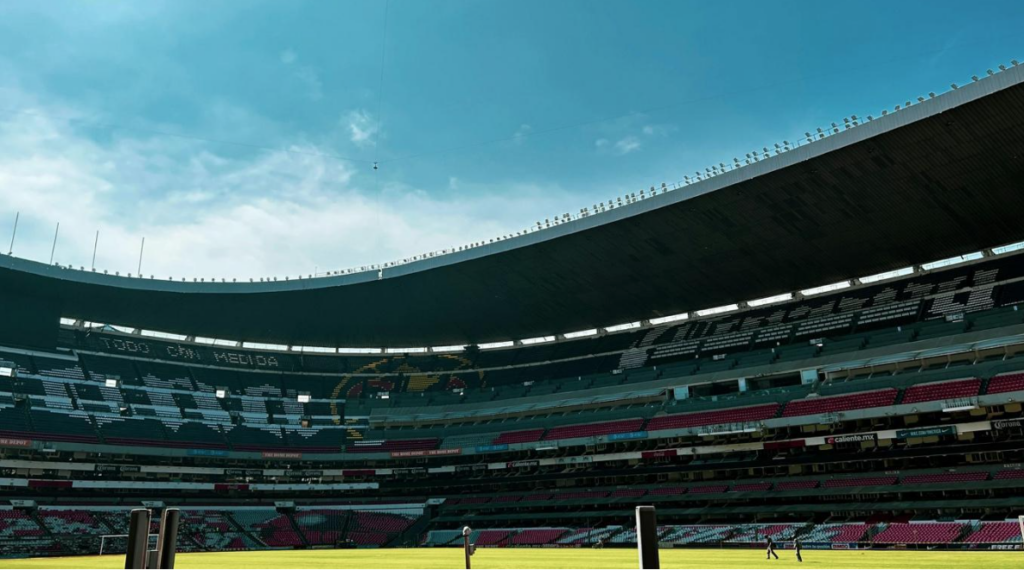
Mexico could benefit most from this factor. Their supporters are known for creating one of the loudest atmospheres in football, particularly at stadiums like Estadio Azteca. Visiting teams have historically struggled there, especially when dealing with altitude and intense crowd pressure.
Past tournaments show the pattern
Several host nations have exceeded expectations at previous World Cups. South Korea reached the semi-finals in 2002 while co-hosting with Japan. Russia made the quarter-finals in 2018 despite entering the tournament with limited expectations.
Germany enjoyed a strong run to third place in 2006, while France lifted the trophy on home soil in 1998. Even smaller football nations have often produced surprising results when hosting major tournaments.
The pressure of home expectation can also work against teams. Brazil experienced that in 2014 when they suffered a heavy semi-final defeat against Germany. Playing in front of passionate supporters can increase stress when results begin to slip.
That balance between motivation and pressure will be important in 2026, especially for the United States. The American squad is talented, but home fans will expect a deep run after years of investment in the sport.
The challenge of three host nations
Unlike previous tournaments, World Cup 2026 will split hosting duties across a huge geographic area. Teams may travel thousands of miles between matches, particularly in the United States and Canada.
That could reduce some of the usual benefits that come with hosting. Players may still face tiring journeys and changing climates depending on where matches are scheduled. A team playing in Mexico City one week and a northern US city the next could experience very different conditions.
The United States may still gain the strongest logistical advantage because most matches will be played there. Canada and Mexico will host fewer fixtures, which may limit the effect of local support during the later stages.
Even so, all three host nations should enjoy strong backing during group matches. That support could prove decisive in tight games where confidence and momentum matter most.
Can the hosts make deep runs
Mexico have regularly reached the knockout stage at World Cups, so another solid performance would not be surprising. Canada are improving quickly and could benefit from the energy around the tournament, though they still lack experience at this level.
The United States probably carries the highest expectations. Their young squad has played together for several years, and many players now compete in top European leagues. Reaching the quarter-finals would likely be seen as a realistic target.
Home crowds alone will not win matches. Tactical discipline, squad depth, and handling pressure remain vital. Still, history suggests the 2026 host nations should gain an edge from familiar surroundings and passionate support.
